News and freshness signals: ranking for timely content on Wix
Module 12: Brand SERP Management & Google Feature Domination | Lesson 151 of 683 | 22 min read
By Michael Andrews, Wix SEO Expert UK
Google's freshness algorithm determines when timely, recently published content should rank above older, more authoritative pages. For certain queries, a page published yesterday can outrank a page with years of accumulated backlinks and authority. Understanding how Google detects and rewards freshness signals allows you to create timely Wix Blog content that captures traffic spikes during trending moments in your industry.
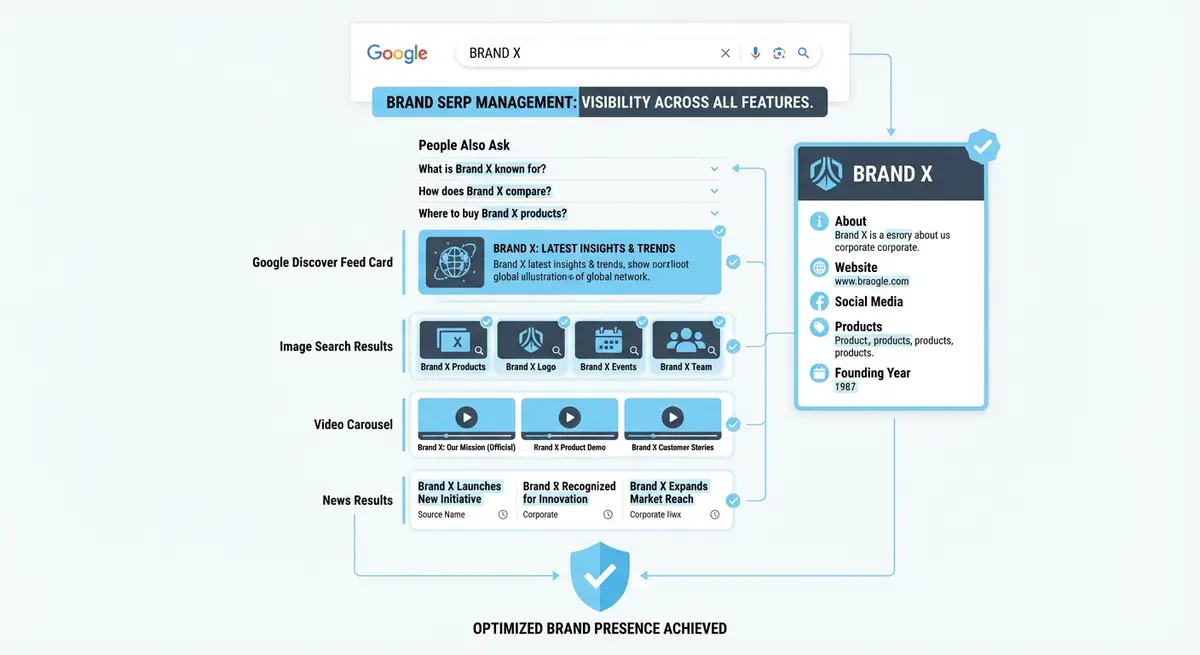
How Google's Freshness Algorithm Works
Google's Query Deserves Freshness (QDF) model identifies when a search query is trending or when users are likely seeking current information. When QDF is triggered, Google temporarily boosts the rankings of recently published or updated content. Queries like "best SEO tools 2026" always trigger QDF because the year implies recency. Breaking news queries, trending topics, and seasonal searches all activate the freshness boost.
Not all queries benefit from freshness. A search for "how to tie a tie" does not need fresh content because the answer has not changed. But "Google algorithm update" demands the latest information. Understanding which queries in your niche are freshness-sensitive tells you where to invest in timely content and where to focus on comprehensive evergreen guides instead.
Creating Timely Content on Wix Blog
Rapid-response content workflow for trending topics
- Set up Google Alerts and Twitter/X lists to monitor breaking news in your industry
- When a trend or news event breaks, assess whether it is relevant to your audience
- Draft a 1000-1500 word analysis post within 2-4 hours of the news breaking
- Include your expert perspective and actionable advice, not just a summary of the news
- Publish on Wix Blog with a clear, keyword-rich title including the year or specific date
- Share immediately across all social channels to drive initial traffic signals
- Update the post within 24-48 hours as more information becomes available
datePublished and dateModified Schema for Freshness
Google uses datePublished and dateModified schema markup to understand when content was created and last updated. Wix Blog automatically generates these timestamps, but you should verify they are correct using Google's Rich Results Test. The dateModified timestamp should only change when you make substantive content updates, not when you fix a typo. Google has explicitly warned against updating dateModified without meaningful content changes as a freshness manipulation tactic.
{
  "@context": "https://schema.org",
  "@type": "Article",
  "headline": "Complete Wix SEO Guide 2026",
  "datePublished": "2025-06-15T08:00:00+00:00",
  "dateModified": "2026-01-10T14:30:00+00:00",
  "author": {
    "@type": "Person",
    "name": "Your Name"
  }
}Google News Inclusion for Wix Sites
Google News is no longer a closed system requiring manual submission. Any site that publishes timely, original news content can appear in Google News results. However, Google does evaluate your site for compliance with Google News content policies, including original reporting, clear authorship, and transparent editorial practices. Wix Blog posts can and do appear in Google News if they meet these standards.
- Publish original reporting and analysis, not just aggregated content from other sources
- Include clear author bylines with links to author profile pages on your Wix site
- Use Article or NewsArticle schema with proper datePublished timestamps
- Maintain a consistent publishing schedule to build credibility as a news source
- Submit your site through Google Publisher Center for better visibility in Google News
- Ensure your Wix site has a clear About page and Contact page establishing editorial transparency
Building a Rapid-Response Content Workflow
The businesses that capture the most freshness traffic are the ones that respond fastest. Build a workflow that allows you to publish a quality analysis post within hours of a news event, not days. Prepare template blog posts in Wix drafts with standard formatting, image placeholders, and schema markup already configured. When news breaks, you fill in the content and publish immediately rather than building the page from scratch.
Assign specific team members to monitor different news sources. Create a shared channel or group chat where potential rapid-response topics are flagged in real time. Define clear criteria for which events warrant a rapid response and which can be addressed in your regular content calendar. Speed matters, but relevance and quality matter more. A thoughtful 1000-word analysis published in four hours will outperform a rushed 500-word summary published in one hour.
Freshness Monitoring Tools
- Google Trends: Monitor real-time trending topics and search interest spikes in your industry
- Google Alerts: Receive email notifications when new content appears for your tracked keywords
- Google Publisher Center: Submit your Wix site for consideration in Google News
- Exploding Topics: Discover trending topics before they peak to get a first-mover content advantage
Complete How-To Guide: Leveraging Freshness Signals for SEO on Wix
This guide covers building a rapid-response content system, implementing freshness schema correctly, and maintaining an annual update strategy for your highest-value content.
How to use freshness signals to boost rankings on your Wix site
- Step 1: Identify which of your target keywords are freshness-sensitive. Search each keyword in Google and note if results are dominated by recently published content (within the last 3-6 months). Keywords containing years, "latest", "new", or "update" are almost always freshness-sensitive.
- Step 2: Set up monitoring for trending topics in your industry. Create Google Alerts for your top 5 industry keywords. Follow key industry voices on Twitter/X and LinkedIn. Subscribe to Google Trends email digests for your topic areas.
- Step 3: Build rapid-response blog post templates in your Wix Blog drafts. Pre-configure the formatting, schema markup, featured image placeholder, author bio, and standard footer. When news breaks, you fill in content rather than building from scratch.
- Step 4: When a relevant trending topic breaks, publish your analysis within 2-4 hours. Write 1000-1500 words of genuine expert analysis, not just a summary of the news. Include your unique perspective and actionable advice for your audience.
- Step 5: Use a keyword-rich title that includes the year or specific date: "Google March 2026 Core Update: What Wix Site Owners Need to Know". This targets the freshness-sensitive query directly.
- Step 6: Share your rapid-response content immediately across all social channels: LinkedIn, Twitter/X, Facebook, and any industry forums. Early traffic signals help Google recognise the content as timely and relevant.
- Step 7: Update your rapid-response posts within 24-48 hours as more information becomes available. Add new sections, correct any initial assumptions, and expand the analysis. Update the dateModified timestamp.
- Step 8: Implement the annual update strategy for your cornerstone content. Identify your top 10 evergreen guides and articles. Schedule a January update for each one where you refresh data, update screenshots, add new sections, and change the year in the title.
- Step 9: When updating existing content, make substantive changes. Add at least 200-300 words of new content, update outdated statistics, replace old screenshots, and add new examples. Do not simply change the date without meaningful content improvements.
- Step 10: Verify freshness schema on your Wix Blog posts. Use the Google Rich Results Test to confirm datePublished and dateModified are present and accurate in your Article schema. The dateModified should reflect your most recent substantive update.
- Step 11: If you want to appear in Google News, submit your Wix site through Google Publisher Center. Ensure your blog has clear author bylines, an About page with editorial transparency, and a consistent publishing schedule of at least 2-3 posts per week.
- Step 12: Track the impact of freshness on your rankings. In Google Search Console, compare click and impression data week-over-week after publishing rapid-response content. Note how quickly freshness traffic peaks and declines to calibrate your response speed for future opportunities.
Was this lesson useful?
It takes 1 minute to tell me. The course is free and I want to keep it that way, and your feedback shows me what is working and helps other people find it.
This lesson on News and freshness signals: ranking for timely content on Wix is part of Module 12: Brand SERP Management & Google Feature Domination in The Most Comprehensive Complete Wix SEO Course in the World (2026 Edition). Created by Michael Andrews, a Wix Marketplace Legend Partner with 14 years of hands-on experience, 800 completed Wix SEO projects and 456 verified five-star reviews.