Digital PR and earning brand mention links at scale
Module 10: Link Building & Off-Page SEO | Lesson 129 of 683 | 58 min read
By Michael Andrews, Wix SEO Expert UK
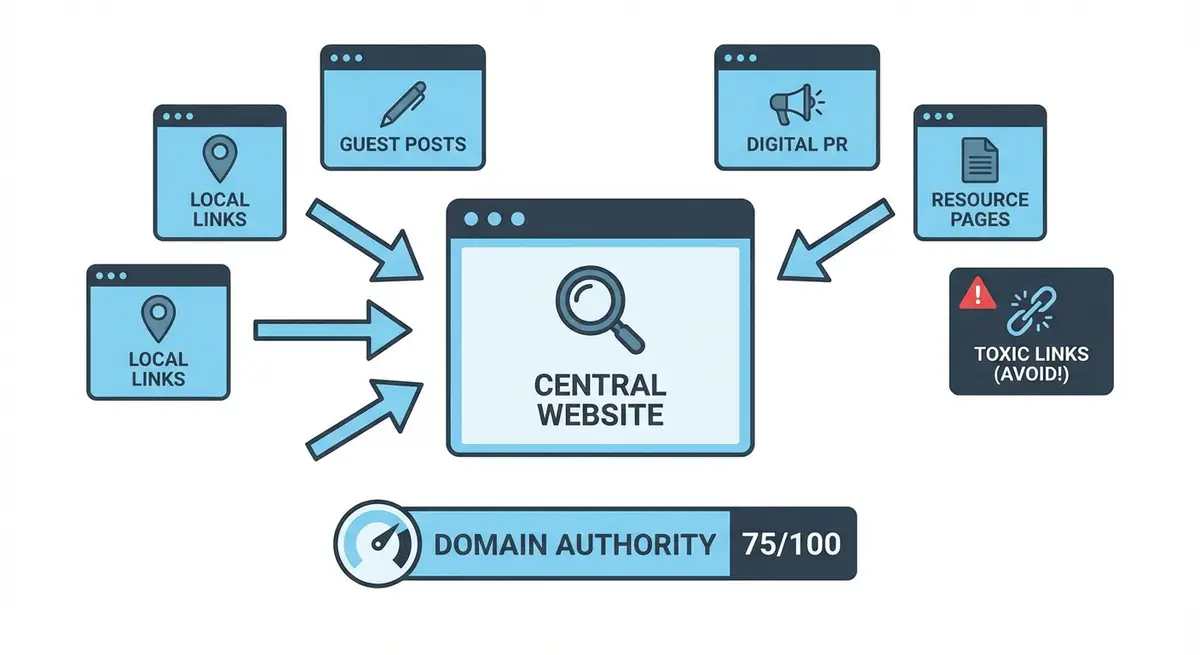
Digital PR is the practice of creating genuinely newsworthy content, data and insights that journalists, bloggers and publications want to cite and link to. Unlike traditional link building where you ask for links, digital PR earns links by giving publishers something they need: compelling data, expert commentary and original research that enhances their stories. The links earned through genuine PR coverage are typically the highest quality backlinks available, coming from news sites, industry publications and authoritative blogs with Domain Ratings that most other link building tactics cannot reach. For Wix site owners, even a single successful digital PR campaign can generate more high-authority backlinks than months of manual outreach, while simultaneously building the brand recognition and trust signals that increasingly influence search rankings.
What Makes Content PR-Worthy
Journalists and bloggers are under constant pressure to produce engaging content for their readers. They are actively looking for data, expert sources and compelling angles that make their stories stronger. When you provide these, linking to your content is not a favour; it is standard journalistic practice. Understanding what makes content genuinely PR-worthy is the foundation of successful digital PR.
- Original data or research: conduct a survey of your customers, analyse industry statistics, or compile publicly available data into new findings. Journalists love numbers they can cite, especially if the data is specific to a region or industry niche.
- Contrarian insights: a well-argued counter to conventional wisdom in your niche creates controversy and discussion, which journalists find irresistible. "Why X advice is wrong" angles get attention.
- Annual reports or trend predictions: position yourself as the authority on your niche by publishing annual state-of-the-industry reports with genuine expert commentary.
- Real client results with compelling before-and-after data: case studies with specific numbers are credible and linkable because they provide evidence that journalists can reference.
- Free tools, calculators or interactive content: journalists frequently link to tools their readers can use. A mortgage calculator, ROI estimator or diagnostic tool on your Wix site becomes a permanent link magnet.
- Interesting uses of freely available data: combining public datasets to tell a new story is a cost-effective PR strategy. Examples: mapping house prices by postcode, ranking towns by a specific metric, or analysing trends in government data.
- Visual assets: infographics, data visualisations and interactive maps that tell a story are highly linkable because publishers can embed them with a credit link back to your source.
Creating Data-Driven Content That Journalists Cite
Data-driven content is the cornerstone of digital PR because it provides something journalists cannot create themselves without significant effort. Original statistics, survey results and data analyses give reporters verifiable facts they can cite, and journalistic ethics require them to credit the source, which means a link to your Wix site.
How to create linkable data-driven content
- Identify a question in your industry that nobody has answered with real numbers. Ask your customers, colleagues and social media followers what data they wish existed.
- Choose your data collection method. Customer surveys (use free tools like Google Forms or Typeform), analysis of your own business data, Freedom of Information requests to government bodies, or compilation of existing public datasets.
- Ensure your sample size is large enough to be credible. For surveys, aim for at least 500 respondents for national data or 200 for local or niche data. Journalists will scrutinise your methodology.
- Present findings with clear headlines and key statistics. "73% of UK small business owners say they cannot afford professional SEO services" is a headline a journalist can use directly.
- Create a dedicated research page on your Wix site with a professional layout: executive summary, methodology, key findings with charts, full data tables and a downloadable PDF version.
- Include quotable expert commentary alongside the data. Journalists often need a human angle to accompany statistics.
- Make your data embeddable by providing shareable charts and infographics with clear credit and a link back to your source page.
Using HARO and Journalist Request Platforms
HARO (Help A Reporter Out, now called Connectively), Qwoted, ResponseSource and similar platforms connect journalists with expert sources. Journalists post queries describing the expert commentary they need for upcoming articles, and experts respond with quotes, data and insights. Successful responses earn brand mentions and often backlinks from the journalist's published article.
The key to HARO success is speed and specificity. Journalists receive dozens of responses per query and typically choose sources who respond within hours, provide a unique angle, and include credentials that establish authority. Generic responses that could have been written by anyone get ignored.
Maximising success on journalist request platforms
- Sign up for HARO at helpareporter.com and select categories relevant to your expertise. You will receive three email digests per day with journalist queries.
- Set an email alert or bookmark the HARO emails so you can respond within 2-3 hours of receiving a relevant query. Speed is the single biggest factor in getting selected.
- Only respond to queries where you have genuine expertise and can provide a unique perspective. Irrelevant responses damage your reputation with journalists.
- Structure your response with a 2-3 sentence bio establishing your credentials, a direct answer to the journalist's specific question, a unique quote they can use verbatim, and a brief offer to provide additional detail.
- Include your business name, title and Wix site URL at the end of every response so the journalist has your details for attribution.
- Follow up with journalists who use your quotes. Thank them for the coverage and offer yourself as an ongoing source for future articles in the same topic area.
- Track all media coverage earned through HARO in a spreadsheet. Monitor which types of queries generate the most placements and focus your efforts there.
Converting Unlinked Brand Mentions into Backlinks
Many websites mention your business name, cite your data or reference your content without including a hyperlink. These unlinked brand mentions are easy wins because the publisher has already decided your business is worth mentioning. All you need to do is politely ask them to add the link.
Finding and converting unlinked mentions
- Set up Google Alerts for your business name, your personal name, any unique product or service names, and the titles of your key content pieces.
- Search Google for your business name in quotes, excluding your own domain: "Your Business Name" -site:yourdomain.com.
- Use Ahrefs Content Explorer or BuzzSumo to search for mentions of your brand across the web and filter for pages that mention you without linking.
- When you find an unlinked mention, send a brief, friendly email: "Thank you for mentioning [business name] in your article about [topic]. Would you consider adding a link to [specific URL] so your readers can find the resource you referenced?"
- Personalise each outreach email. Mention something specific about the article and explain why the link would benefit their readers.
- Keep a spreadsheet tracking all unlinked mentions with the date found, URL, contact information, outreach date and result.
Unlinked mention conversion typically achieves a 20-40% success rate, making it one of the highest-conversion link building tactics available. The publisher has already endorsed you editorially; you are simply asking them to make the reference clickable.
Planning and Executing a Digital PR Campaign
A structured digital PR campaign follows a predictable process from concept development through to coverage measurement. Having a systematic approach ensures you do not waste effort on content that journalists will ignore.
The digital PR campaign framework
- Concept development: brainstorm 5-10 data-driven content ideas and evaluate each against the criteria of newsworthiness, uniqueness and feasibility.
- Data collection: gather your data through surveys, analysis or compilation. Ensure your methodology is robust enough to withstand journalistic scrutiny.
- Content creation: build a professional research page on your Wix site with compelling findings, clear visualisations and downloadable assets.
- Media list building: identify 30-50 journalists and bloggers who cover your niche. Research their recent articles to understand what angles they cover.
- Pitch crafting: write personalised pitches for each journalist segment. Lead with the most surprising or impactful finding from your research.
- Outreach execution: send pitches on Tuesday, Wednesday or Thursday morning when journalists are most active. Personalise every email.
- Follow-up: follow up once after 3-5 business days with a new angle or additional data point, not just a "did you see my email" message.
- Coverage monitoring: track all coverage using Google Alerts, Ahrefs Alerts and manual searches. Record every mention in your tracking spreadsheet.
- Relationship building: thank every journalist who covers your research and offer yourself as an ongoing source for future articles.
- Results analysis: measure total coverage, total backlinks earned, domain authority of linking sites, referral traffic and ranking impact.
Complete How-To Guide: Launching Your First Digital PR Campaign
This comprehensive guide walks you through launching your first digital PR campaign from your Wix site, from creating a compelling data-driven angle to securing coverage in publications your audience reads.
Follow these steps to launch a successful digital PR campaign
- Step 1: Choose a data-driven angle by identifying a question in your industry that nobody has answered with real numbers. Evaluate 5 potential topics against three criteria: is it genuinely surprising, is it relevant to your target audience, and can a journalist use the finding as a headline?
- Step 2: Create original research by surveying your customers using Google Forms or Typeform (aim for 500+ responses), analysing your own business data for publishable insights, or compiling publicly available datasets from government sources, industry bodies or academic research into a new narrative.
- Step 3: Package the research into a professional content piece on your Wix site. Include an executive summary with the top 3-5 findings, methodology description, data visualisations, full results tables and a downloadable PDF that journalists can reference offline.
- Step 4: Create supporting visual assets including shareable charts, infographics with your branding and an embeddable widget that publishers can add to their articles with a credit link back to your Wix site.
- Step 5: Write a compelling press release headline that leads with the most surprising or impactful finding. "73% of UK Small Businesses Cannot Afford Professional SEO Services" is newsworthy; "Local SEO Firm Publishes New Report" is not.
- Step 6: Build a targeted media list of 30-50 journalists and bloggers who cover your niche. Use Twitter/X searches, LinkedIn, publication staff pages and tools like Muck Rack to find the right contacts with their email addresses.
- Step 7: Segment your media list by publication type (national press, trade press, local press, blogs) and create slightly different pitch angles for each segment highlighting the findings most relevant to their specific audience.
- Step 8: Craft personalised pitch emails for each journalist. Reference a specific recent article they wrote, present your key finding in one sentence, explain why it matters to their audience, and include a direct link to your research page.
- Step 9: Send your pitches on Tuesday, Wednesday or Thursday between 8am and 10am when journalists are planning their editorial calendar. Avoid Mondays, Fridays and holiday periods.
- Step 10: Follow up exactly once after 3-5 business days with a brief email that adds a new angle or additional data point. If a journalist does not respond after two contacts, move on.
- Step 11: Simultaneously submit expert responses to 3-5 relevant HARO queries per week, referencing your research data in your responses to increase the chances of journalists linking to your source material.
- Step 12: Set up Google Alerts for your business name, research title and key data points so you are automatically notified when any publication mentions your research, with or without a link.
- Step 13: Reach out to any unlinked brand mentions with a friendly email. Explain that you noticed they referenced your research and ask if they could add a link to the original source page for their readers' convenience.
- Step 14: Document every piece of coverage earned in a spreadsheet tracking the publication name, URL, Domain Rating, whether they included a followed link, anchor text used, referral traffic generated and social shares. Calculate your total link value and use this data to refine your next campaign.
Essential Tools for This Lesson
- HARO (Connectively): Connect with journalists seeking expert sources for their articles
- Google Alerts: Monitor brand mentions and unlinked citations across the web
- Ahrefs Content Explorer: Find brand mentions and unlinked references to your content
- Google Forms: Create free surveys for primary research and data collection
- Muck Rack: Find journalist contact details and track media coverage
Was this lesson useful?
It takes 1 minute to tell me. The course is free and I want to keep it that way, and your feedback shows me what is working and helps other people find it.
This lesson on Digital PR and earning brand mention links at scale is part of Module 10: Link Building & Off-Page SEO in The Most Comprehensive Complete Wix SEO Course in the World (2026 Edition). Created by Michael Andrews, a Wix Marketplace Legend Partner with 14 years of hands-on experience, 800 completed Wix SEO projects and 456 verified five-star reviews.